
BigCommerce alternatives solve different problems: Shopify changes the hosted workflow, WooCommerce offers WordPress ownership, Adobe Commerce handles custom B2B rules and Ecwid can preserve an existing website. Don't pick by the number of features in a comparison table, because the best replacement depends on the constraint that triggered the switch. This guide compares operating costs, migration risks and the jobs each platform handles best, so you'll know what you're signing up for.
The shortlist is based on vendor documentation and pricing pages. Prices come from vendor pages checked October 28, 2026; where a vendor doesn't publish a US price, the entry says so.
Why do merchants look for BigCommerce alternatives?
Merchants consider BigCommerce alternatives when payment-provider economics, workflow flexibility or storefront ownership don't fit anymore. Its current pricing uses Core, Growth, Scale and Performance tiers, and the cost of an open payment provider isn't the same on every plan.
The fee comparison below shows the plan-dependent charge for eligible orders using open payment providers. The chart compares vendor list pricing only.
Which BigCommerce alternative fits each reason to switch?
A BigCommerce replacement should solve a named operational problem. Hosted simplicity, code ownership, enterprise buying controls and preserving an existing website lead to different shortlists.
 Hosted replacementShopifyChoose Shopify when the team wants a hosted platform and familiar workflows.
 WordPress ownershipWooCommerceChoose WooCommerce when WordPress and code ownership are strategic.
 Enterprise B2BAdobe CommerceChoose Adobe Commerce when complex company purchasing rules are non-negotiable.
 Open-source baseShopwareChoose Shopware when custom commerce architecture matters.
| Tool | Category | What it handles | Starting price |
|---|---|---|---|
 BigCommerce | Hosted ecommerce | Catalog to storefront and payments | Core $29/mo billed annually; B2B Edition by quote |
| Shopify | Hosted ecommerce | Catalog to checkout and inventory | Basic $29/mo billed annually; Plus from $2,300/mo |
| WooCommerce | WordPress ecommerce | WordPress products to checkout | Free core; hosting, extensions and maintenance extra |
| Adobe Commerce | Enterprise commerce platform | Shared catalogs and negotiable quotes | Custom enterprise quote |
| Shopware | Open commerce platform | B2B Components on the Evolve plan | Community Edition free; Evolve from €2,400/mo excl. VAT |
 Wix | Website builder | Visual editor to catalog and checkout | Core $29/mo billed annually |
 Squarespace | Website builder | Content to store and checkout | Paid plan; US checkout price varies |
 Ecwid | Embeddable ecommerce | Existing website to store | Venture $35/mo monthly or $29/mo annually |
Vendor list prices and quote requirements checked October 28, 2026. Annual billing stated where relevant. Fees, apps and implementation excluded.
How do BigCommerce and its alternatives compare?
BigCommerce and its alternatives have different subscription models and operational responsibilities. The comparison keeps BigCommerce as the incumbent, while the review entries focus on the costs and work introduced by a migration.
You'll need an explicit baseline for a switching decision. Record current platform invoices, payment providers, apps, warehouse connectors and support workload before asking a new vendor for a proposal. A vendor quote without that baseline isn't a savings estimate.
What are the best BigCommerce alternatives for real stores?
The best BigCommerce alternatives depend on the storefront, the catalog and the systems receiving orders. Each review explains the switching scenario, the proof-of-concept workflow and the reason a buyer may decide not to move.
Shopify: hosted replacement with a large app ecosystem
Shopify is best considered when the team wants a hosted platform and familiar workflows. The deciding evidence is a pilot on your own catalog and order flow, not a feature checklist.
Shopify
Hosted commerce operations with location inventory and processor-dependent fees
Shopify is the clearest hosted BigCommerce alternative when the merchant values a standardized admin, storefront themes and a large app ecosystem. It changes the operational trade-offs; it doesn't eliminate them. You'll need a fresh calculation of the platform fee, payment setup and app dependencies.
A growing consumer brand may be frustrated that so many tasks on its current store can't be done without an agency. A Shopify pilot can show whether its merchandising team can handle products, discounts and content without developer tickets. Don't start with an empty demonstration store; use a real catalog.
- the team wants a hosted platform and familiar workflows
- a pilot proves the app and fulfillment handoffs
- the switching case doesn't count app and payment costs
- custom wholesale requirements haven't been solved

Workflow test and operating trade-offs
Create a sample product with variants, a promotion and a return. Export an order to the current warehouse system and compare fields with the BigCommerce record. Then test any subscription or marketplace connector the business can't do without. A checkout that works alone doesn't guarantee that fulfillment or customer support still work.
Since April 2026, native B2B is available on Basic, Grow and Advanced, but company-specific catalogs remain a Plus distinction. Don't assume that every wholesale requirement needs Plus or that every complex wholesale rule fits the lower plans. Shopify may reduce operational friction, yet migration and app charges can offset subscription differences.
The merchant should also test what happens when an existing BigCommerce discount can't be reproduced exactly. Build a mapping of promotion types and verify that the cart total matches for a representative customer. A minor difference in the checkout can turn into a support issue if you're running recurring campaigns. Compare the order export and refund status; don't rely on a successful payment screen. The team should record which Shopify apps replace current BigCommerce functionality and which add ongoing fees. If a crucial connector doesn't have a reliable replacement, the migration should pause even when the storefront design is appealing.
- Starting price
- Basic $29/mo billed annually; Plus from $2,300/mo
- Operating fit
- Hosted replacement with a large app ecosystem
WooCommerce: WordPress ownership and extensibility
WooCommerce is best considered when WordPress and code ownership are strategic. Price the hosting, extensions and maintenance owner before you compare it with a hosted subscription.
WooCommerce
Merchant controls hosting and extensions
WooCommerce is the open-source ecommerce platform for WordPress. It gives merchants direct control of site code and data while shifting infrastructure and extension maintenance onto their team. That makes it an ownership choice, and it isn't merely a cheaper hosted checkout.
A content-heavy retailer may want product guides, editorial landing pages and shopping journeys under one WordPress installation. WooCommerce lets the team design those experiences, so it doesn't need to adapt everything to a SaaS template. The merchant must still decide who owns plugin conflicts, backups and security patches.
- WordPress and code ownership are strategic
- a reliable technical team can maintain the store
- there's no owner for security and updates
- the merchant doesn't want to run operations itself
Workflow test and operating trade-offs
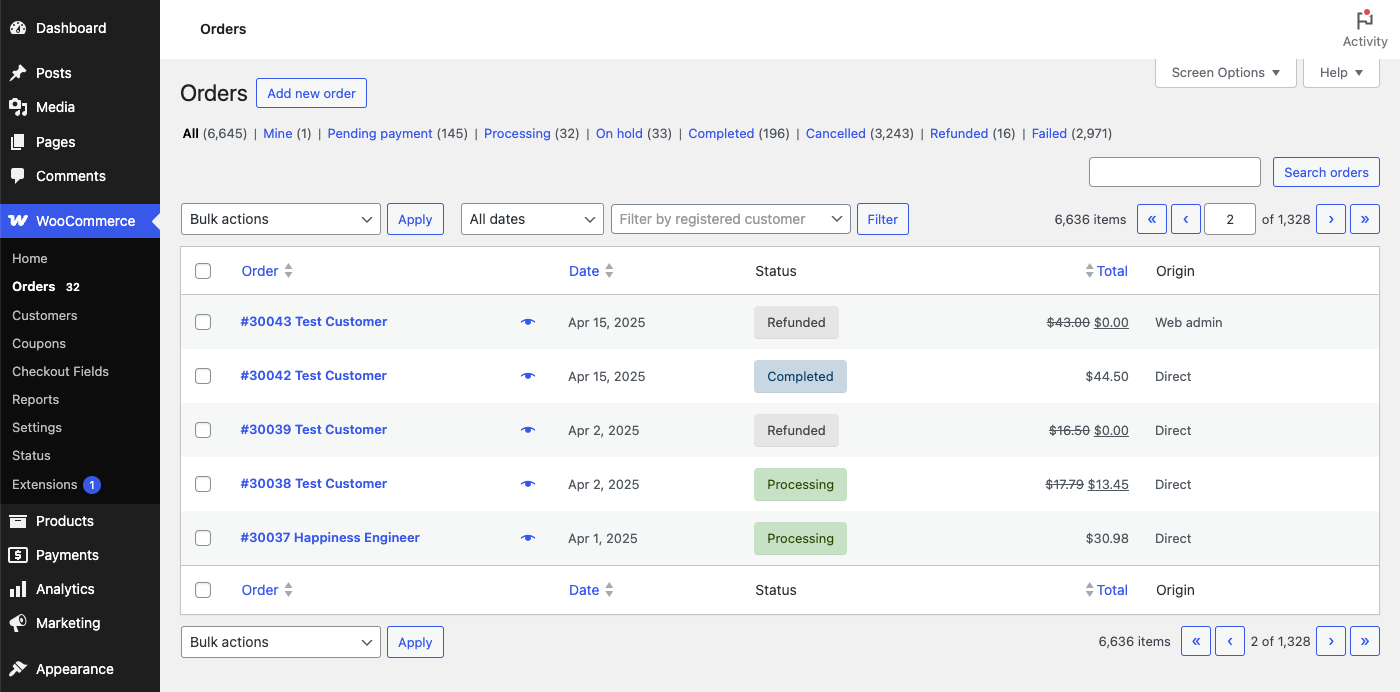
Migrate a representative product set with variants and existing URLs. Verify that redirects work, customer records map correctly and taxes remain accurate. For wholesale stores, select a specific B2B extension and test buyer approvals and tiered pricing; don't assume they exist in the core. Review every plugin that touches checkout or stock.
The free core removes a platform license, but it doesn't remove operating expense. A realistic budget includes managed hosting, payment fees, extensions, performance work and technical support. Choose WooCommerce when that control is valuable enough to justify maintenance. Skip it when the company expects the vendor to own infrastructure and recovery.
The migration decision should name the person who receives an alert when checkout fails on a weekend. That owner needs access to backups, logs and a tested restore process. Ask an agency to estimate how many extensions will be installed and who validates compatibility after updates. A plugin that changes taxes or shipping can affect every order, so the test plan can't leave out those dependencies. The merchant can gain flexibility, but that benefit doesn't mean much unless the business can maintain it. Write down the response time you'll expect for a critical checkout issue and include it in the annual operating budget.
- Starting price
- Free core; hosting, extensions and maintenance extra
- Operating fit
- WordPress ownership and extensibility
Adobe Commerce: enterprise customization and B2B approvals
Adobe Commerce is best considered when complex company purchasing rules are non-negotiable. Ask a partner to model one real approval chain before anything else.
Adobe Commerce
Shared catalogs and negotiable quotes
Adobe Commerce is an enterprise platform for stores with complex catalogs, company accounts and negotiable B2B workflows. It's a BigCommerce alternative when the organization has requirements that justify custom implementation rather than another standard hosted subscription.
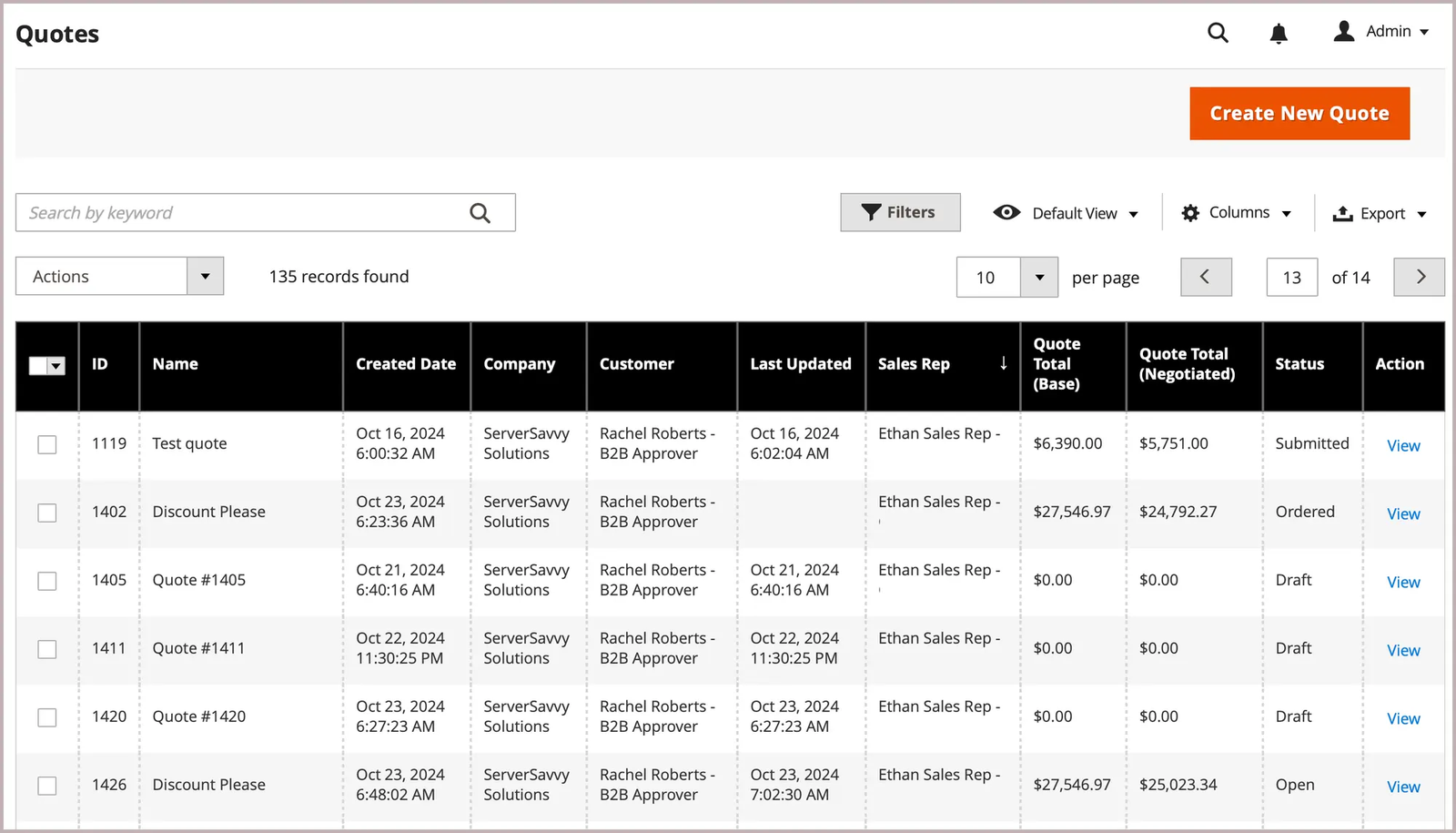
A manufacturer may require purchasing approvals before a buyer can submit an order. Adobe Commerce documents purchase-order rules tied to company accounts and reusable requisition lists. That combination can fit a business with established purchasing controls and repeat orders.
- complex company purchasing rules are non-negotiable
- engineering and implementation partners are available
- the project only needs a simpler hosted storefront
- there's no budget for customization
Workflow test and operating trade-offs
Ask an implementation partner to build one approval scenario using realistic roles. Confirm how a negotiated quote becomes an order and how a requisition list is reused. Don't leave permissions, refunds, ERP updates and the failure path out of the demonstration. The project shouldn't produce only screenshots of an attractive storefront; it should produce a maintainable specification.
The downside is organizational burden. You'll need a formal estimate for enterprise licensing, integration development, hosting and release management. If the only pain point is a theme or a modest payment fee, Adobe Commerce is too large a response. Don't choose it without a documented need for custom B2B logic or multi-brand operations.
A large implementation deserves a staged commercial gate. The first gate confirms that the data model can represent real accounts and product rules. The next gate proves order and quote handling in a sandbox. The final gate checks performance, reconciliation and operational ownership. Each gate should have a named approver from finance, commerce and engineering. That way, a visually impressive build isn't mistaken for an operationally complete migration. The project sponsor shouldn't proceed without a list of custom modules, an upgrade policy and a rollback plan. Without those artifacts, you can't compare the long-term maintenance cost fairly.
- Starting price
- Custom enterprise quote
- Operating fit
- Enterprise customization and B2B approvals
Shopware: open-source foundation and modular B2B
Shopware is best considered when custom commerce architecture matters. Which B2B features sit in which edition decides the real cost.
Shopware
B2B Components on the Evolve plan
Shopware offers an open-source storefront foundation with paid commercial tiers. For merchants leaving BigCommerce, its main attraction is architectural flexibility plus B2B components at defined plan levels. Don't assume which capabilities are in the community core; identify which ones require a paid tier.
A merchant selling across regions may want a more customized catalog and editorial experience. Shopware can be evaluated by building one representative storefront and connecting its order flow to the existing back office. The test should focus on catalog data, translation and the rules that control what each customer sees.
- custom commerce architecture matters
- the team can validate B2B tier boundaries
- the company requires a simple US self-service subscription
- the team doesn't want to own maintenance
Workflow test and operating trade-offs
Shopware's Evolve plan lists quotes and purchasing approvals, and its Beyond plan lists customer-specific pricing and multi-location inventory. Ask a partner to demonstrate the exact feature with the intended edition; don't accept an unrestricted demo environment. Confirm whether the vendor maintains integrations or whether that's left to the merchant.
Shopware shows euro amounts on its public pricing page. For a US purchasing decision, get a written USD quote; don't convert a regional price. Open-source access also brings hosting, upgrades and extension compatibility decisions. Shopware is strongest when a technical team wants that control and can support it.
Don't begin a practical proof of concept with the theme; begin with the catalog. Import the product and variant structure, then verify the price a logged-in customer sees. If the team has several storefronts, test how a shared product record behaves when descriptions or availability differ by region. Compare the implementation partner's proposed extensions with the functions already in the paid edition. A feature that's technically possible can still be expensive to maintain through a bespoke integration. Ask for an itemized quote and a post-launch support plan. A successful choice leaves merchandising and IT with clear, manageable responsibilities.
- Starting price
- Community Edition free; Evolve from €2,400/mo excl. VAT
- Operating fit
- Open-source foundation and modular B2B
Wix: design-led store with integrated hosting
Wix is best considered when marketing owns the storefront design. The limit to test is integration depth, not page design.
Wix
Site builder with variant inventory
Wix is a hosted website and ecommerce builder for merchants whose primary work is content, design and a manageable catalog. It's a credible BigCommerce alternative when a small team needs more control over page design than over enterprise commerce architecture.
A maker brand may publish collections, workshops and seasonal campaigns alongside a modest product range. The Wix editor and commerce layer keep those tasks close together. The important question is whether the team can run promotions, update products and publish landing pages without waiting for a specialist.
- marketing owns the storefront design
- the catalog and integrations are manageable
- complex B2B pricing drives the purchase
- you can't avoid deep custom backend workflows
Workflow test and operating trade-offs
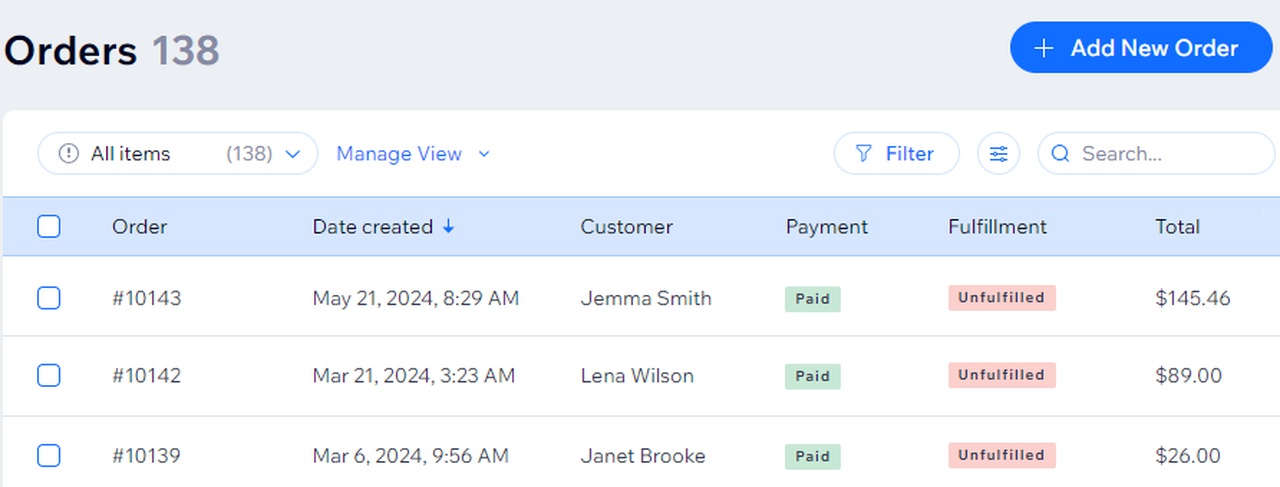
Test product variants, discounts, tax settings and shipping rules using the real assortment, because that's where gaps show up. Wix describes multichannel selling, but you shouldn't assume your specific marketplaces and synchronized fields are covered; verify them. Export an order to the accounting process and check that the resulting status isn't hidden from customer support.
Wix publishes a Core plan at $29 per month on annual billing in its US-facing website builder. A larger store may need a higher tier or additional services. Don't assume that a simpler editor solves complex wholesale accounts, custom ERP workflows or large-scale catalog governance. The best fit is a design-led operation with a clear ceiling on integration complexity.
The acceptance test for a design-led store should still be operational. Publish a seasonal collection, apply a discount and complete an order using the same shipping and tax requirements as the existing site. Check how the team changes product information and whether the marketplace listings remain accurate. If a staff member must export a spreadsheet to fix every catalog update, the simpler editor hasn't reduced the workload. Document which workflows are native and which aren't, because those need apps. A small business may be comfortable with that trade-off, but a complex retailer shouldn't assume that ease of page design equals ease of fulfillment.
- Starting price
- Core $29/mo billed annually
- Operating fit
- Design-led store with integrated hosting
Squarespace: content-first storefront and merchandising
Squarespace is best considered when the storefront is content and design led. The limit to test is back-office depth, such as fulfillment and ERP handoffs.
Squarespace
Content-first commerce with Basic plan transaction fee
Squarespace is a hosted website platform with built-in commerce, suited to brands that sell through storytelling, editorial content and a relatively simple checkout. It can replace BigCommerce when the merchant needs a polished content workflow and doesn't need complex back-office commerce features.
A studio selling curated home goods may care most about photography, product pages and campaigns. The team should test how quickly it can publish a collection and whether its product variants and fulfillment workflow fit the platform. An attractive template isn't the whole buying decision.
- the storefront is content and design led
- orders and catalog rules are straightforward
- complex warehouse or B2B workflows dominate
- the store can't work without specialized integrations
Workflow test and operating trade-offs
Squarespace says its Core plan doesn't carry an online-store transaction fee. Its Basic tier has a separate online-store transaction fee, so compare the actual plan; don't quote the cheapest website subscription. Payment processor fees remain a separate budget line.
Before moving, test shipping labels, taxes, discounts and order export. If the store depends on a complex ERP connector or multi-company wholesale account hierarchy, don't commit before you confirm that capability. Squarespace works best when commerce follows the content model and the team wants fewer platform configuration decisions.
The merchant should test a complete promotional cycle. Create the product story, launch a collection, take a payment and process a refund. Check whether the staff can find the customer record and answer a shipping question without switching between disconnected systems. If the store sells both physical and digital goods, validate the separate fulfillment and tax paths. Design flexibility matters, but an ecommerce director can't do without a predictable process after the sale. Ask for a realistic support plan and verify any external inventory connector, and don't treat the migration as a simple website redesign before that.
- Starting price
- Paid plan; US checkout price varies
- Operating fit
- Content-first storefront and merchandising
Ecwid: add commerce to an existing site
Ecwid is best considered when the existing website should stay intact. The test is whether the embedded store and the site behave like one experience.
Ecwid
Embedded store and Business-tier variation stock
Ecwid is an ecommerce layer that can be added to an existing website. It's an unusual but useful BigCommerce alternative when the business doesn't actually want to replace its whole content site. The value lies in changing the store component, so you don't have to rebuild every page.
A service company may already have a strong website and only need a small product catalog. Ecwid lets the team consider an embedded store; it doesn't require a full replatform. Start with the existing page structure, then check how cart, checkout and analytics events behave across the embedded experience.
- the existing website should stay intact
- the store can work as a connected commerce layer
- the company needs deep enterprise B2B workflows
- the goal is to rebuild the entire commerce stack
Workflow test and operating trade-offs
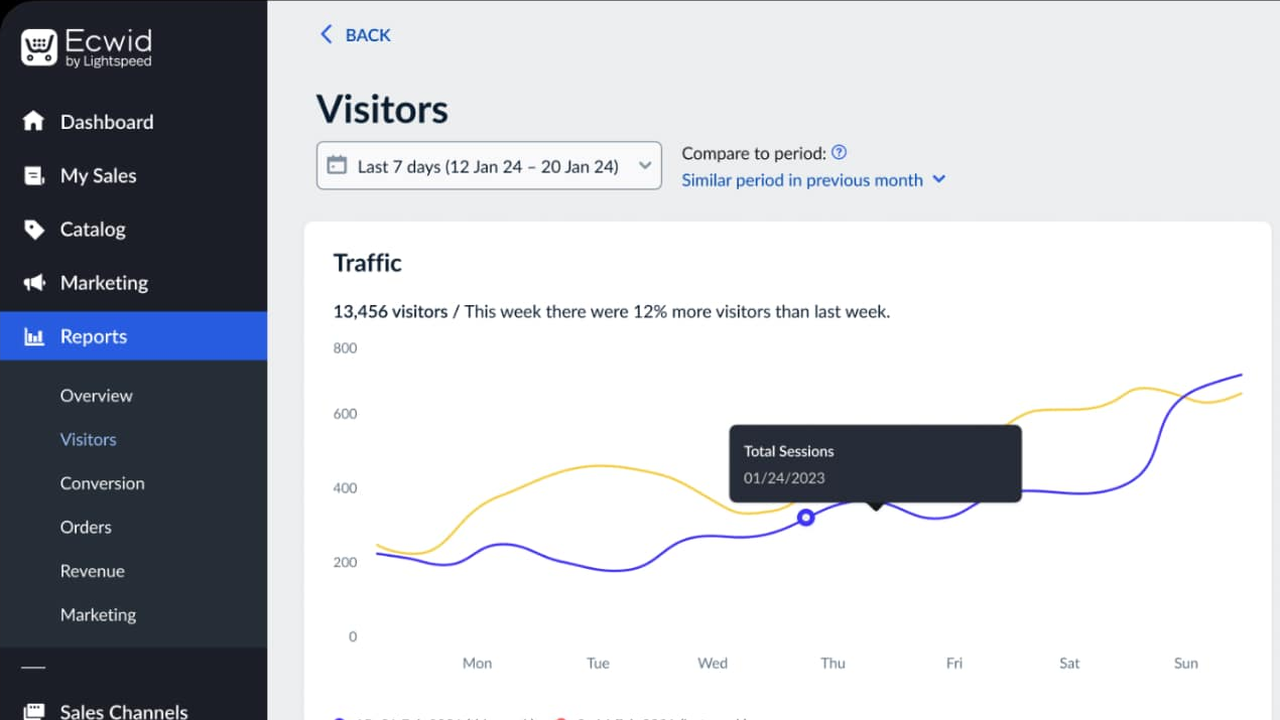
Ecwid updated US plan pricing in March 2026. Its Venture plan is listed at $29 per month billed annually and Business at $49 per month billed annually. The vendor describes a larger product allowance on higher tiers. Compare the product count and sales-channel requirements against the exact tier; don't use a historical price table.
Test product feeds, payment settings, tax handling and order export with a representative transaction. An embedded store can reduce site migration effort but doesn't remove the need to integrate inventory and reporting. Ecwid is most useful when preserving the current site is the strategic requirement and the commerce operation isn't unusually complex.
The key test is whether the existing website and the embedded store behave like one coherent customer experience. Track a visit from an editorial page into a product, through checkout and back to an order confirmation. Verify analytics attribution, domain behavior and the way customer service finds an order. If the business sells on marketplaces, confirm that the required products and inventory fields synchronize correctly. Keeping the current site can save a major redesign, but a poorly connected store can create two separate operational systems. Document which team owns content, checkout and order support before the launch decision.
- Starting price
- Venture $35/mo monthly or $29/mo annually
- Operating fit
- Add commerce to an existing site
How much does switching from BigCommerce cost?
Switching from BigCommerce costs more than a replacement subscription. The migration budget needs catalog mapping, redirects, integrations, testing and staff training, plus any changes in payment-provider fees.
BigCommerce publishes Core at $39 per month on monthly billing and $29 per month on annual billing. Its current open-provider fees apply to eligible GMV on Core, Growth and Scale, while embedded providers are treated differently. A merchant shouldn't assume every order attracts those fees; calculate them from the actual provider mix.
| Migration cost | What to measure | Evidence |
|---|---|---|
| Catalog and URLs | Product, variant and redirect parity | Export and crawl comparison |
| Orders and customers | Historical data and customer IDs | Sample migration reconciliation |
| Payment economics | Provider mix and platform fees | Current statements and new quote |
| Integrations | Inventory, shipping and accounting handoffs | End-to-end test logs |
| Staff effort | Training and exception handling | Owner and time budget |
Don't assume a free core license means a free migration. WooCommerce requires hosting and maintenance, while enterprise platforms need scoped implementation. If your store already works well, it shouldn't absorb replatforming risk without a measurable benefit.
How do you migrate from BigCommerce without losing operational data?
A BigCommerce migration should protect catalog identifiers, order history and customer-facing URLs. Run a staged test with a complete order and an inventory adjustment before changing the live storefront.
- Record current subscription and payment costs
- Export product, variant and customer IDs
- Map URLs and create redirects
- Test checkout, discounts and taxes
- Verify refunds and subscription behavior
- Reconcile warehouse and accounting exports
- Keep a rollback plan until order parity is proven
A migration isn't complete until support can find the order, finance can reconcile it and the customer can still reach the intended product page. Run the same acceptance test on the old and new platforms before switching traffic; you'll catch gaps while the old store is still live.
What should the team do after shortlisting?
A shortlist shouldn't be another feature spreadsheet; it should become a procurement test. Ask each vendor or implementation partner to demonstrate the same buyer journey and to flag what can't be done without custom work. Record the owner of each unresolved issue and get written pricing for the exact scope you'll buy.
The Ecom Director is our own product-feed tool. It complements whichever platform you choose and doesn't replace one.
Frequently asked questions
Short answers to the questions that come up most once the shortlist exists.
Is Shopify cheaper than BigCommerce?
On entry plans they're close: BigCommerce Core and Shopify Basic are both listed at $29 per month on annual billing. Beyond that it depends on plan, payment-provider mix, apps and migration work. Don't conclude that either platform is cheaper before you compare written quotes and actual order processing.
Can WooCommerce replace BigCommerce without a developer?
WooCommerce can run a store, but someone still owns hosting, extensions, updates and security. A merchant without technical support shouldn't leave that responsibility unpriced.
Does Squarespace charge a commerce transaction fee?
Squarespace lists an online-store transaction fee on Basic, but Core doesn't have one. Payment processing remains separate.
Can Ecwid preserve an existing website?
Ecwid can add a store to an existing website. Test checkout tracking, catalog synchronization and order export before you assume a rebuild isn't necessary.
What data should be migrated first?
Start with product identifiers, variants, customers, historical orders and URLs; they're the records everything else depends on. Test those records in a staging store before changing live traffic.